|
Getting your Trinity Audio player ready...
|
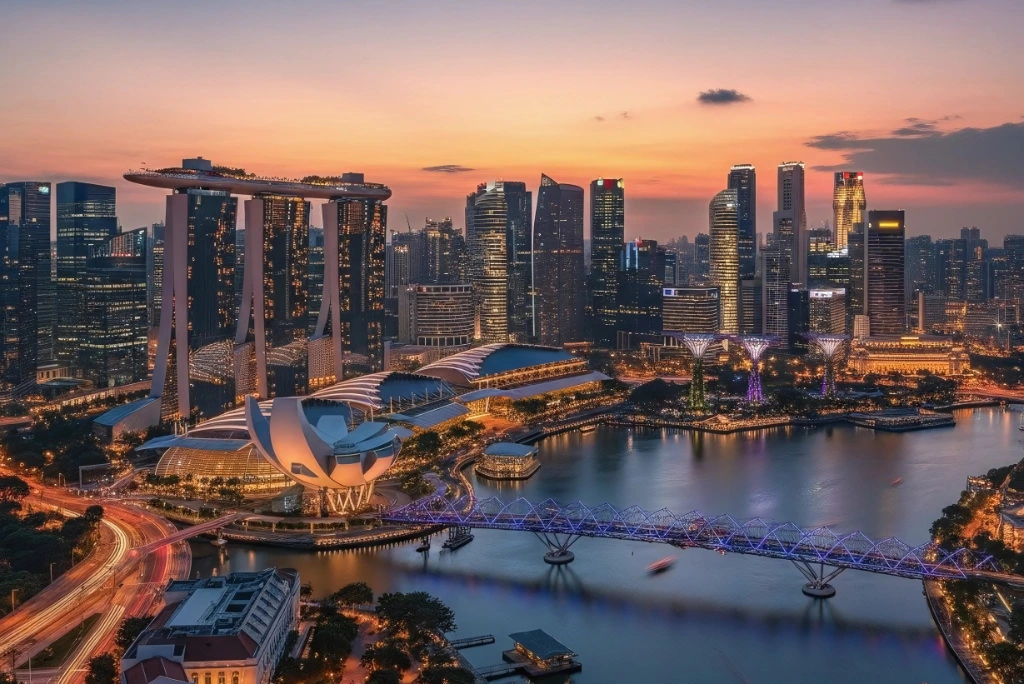
The Singapore Property Background: Positive Yet Chilled
Singapore’s property market has always been resilient. The prices for public housing, such as resale flats from the Housing & Development Board (HDB), rose by almost 10% in 2024, driven by a tight supply and robust demand. High-value transactions with some flats selling for over S$1 million continue to make headlines, reflecting a premium on well-located properties even amid government cooling efforts.
The private sector has also demonstrated steady growth, with modest price increases in 2025 and ongoing interest in condominiums and landed homes across key districts. These trends underscore that buying property in Singapore remains attractive as a long-term proposition, but at a considerable upfront cost.
Renting a flat in Singapore – What Are The Perks?
For a large segment of the population, including singles and newlyweds, renting a place to live in Singapore has its advantages; namely: immediate sleepover-friendly accommodation on arrival in a new country, flexibility over timing and location and not having to fork out significant 7-figure sums of money upfront for buying your own property. This apartment rental blog is based on a market where average rents for both condominiums and HDBs have increased, but not everywhere in any way, thanks to the introduction of newer stock and rental moderation softening the impact somewhat.
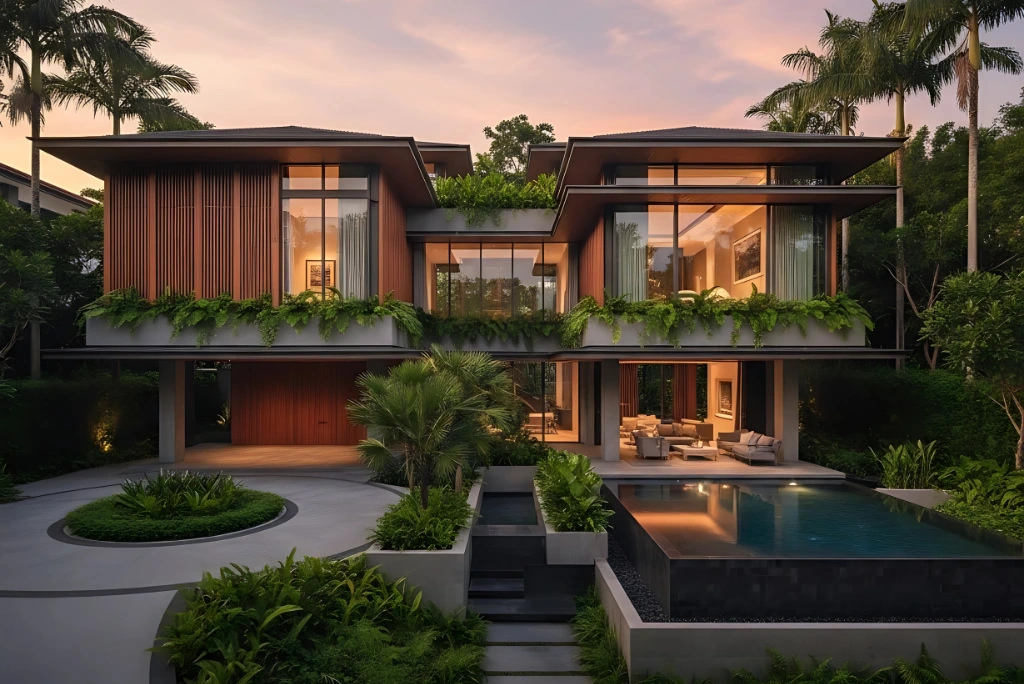
Flexibility is a key advantage!
For the workaholics, those who move often or are not sure of living plans in the long run, leasing helps them to settle without any mortgage commitment or MOP (Minimum Occupation Period), a unique rule only for HDB owners that prevents homeowners from selling their unit within 5 years.
However, the cost of living in Singapore housing is also a sticking point. Surveys have shown that a large proportion of renters feel rental prices are high and many actively seek more affordable options, indicating that while renting can offer flexibility, it can also stretch monthly budgets, particularly in central areas.
Purchasing a Home in Singapore — Equity, Security, and an Investment Source
Ownership culture remains deeply ingrained in Singapore, even with strong demand for rental housing. Owning property in Singapore is widely seen by locals as a rite of passage and a vehicle for wealth. Real estate has been a medium of capital appreciation and an inflation hedge over the long term — focal points in any advice on property investment.That said, the path to ownership isn’t without hurdles. High prices, tight loan-to-value (LTV) limits and substantial Additional Buyers’ Stamp Duty (ABSD) for foreigners and second-time buyers increase upfront costs. In turn, this can push some prospective buyers toward renting while they save or wait for price stabilisation. Still, for those with a long-term horizon — five to ten years or more — owning often makes financial sense. You’re building equity rather than making monthly rental payments with no return and you benefit from Singapore’s steady property investment fundamentals, which continue to draw both local and global attention.
Rent vs Buy Singapore: Who Wins The Battle?
There is no ‘one-fits-all’ answer to the Rent vs Buy Singapore question. It all very much depends on individual, personal circumstances:- Flexibility & Mobility: Renting tends to win if you’re unsure about the length of your stay, or want extra flexibility for work and lifestyle changes.
- Cost of Living & Budget: Renting may be gentler on the up-front cash flow, however in some markets rents cumulatively can compete with a mortgage.
- Investment & Long-Term Wealth: Buying can lock in future gains, especially if property values appreciate and interest rates remain manageable — making it a strong option for long-term residency or investment.
- Market Conditions: In a slowing but still tight Singapore real estate market, buyers benefit from careful financial planning for housing and professional real estate tips to assess timing and affordability.
Conclusion: Achieving Balance in Renting vs. Buying
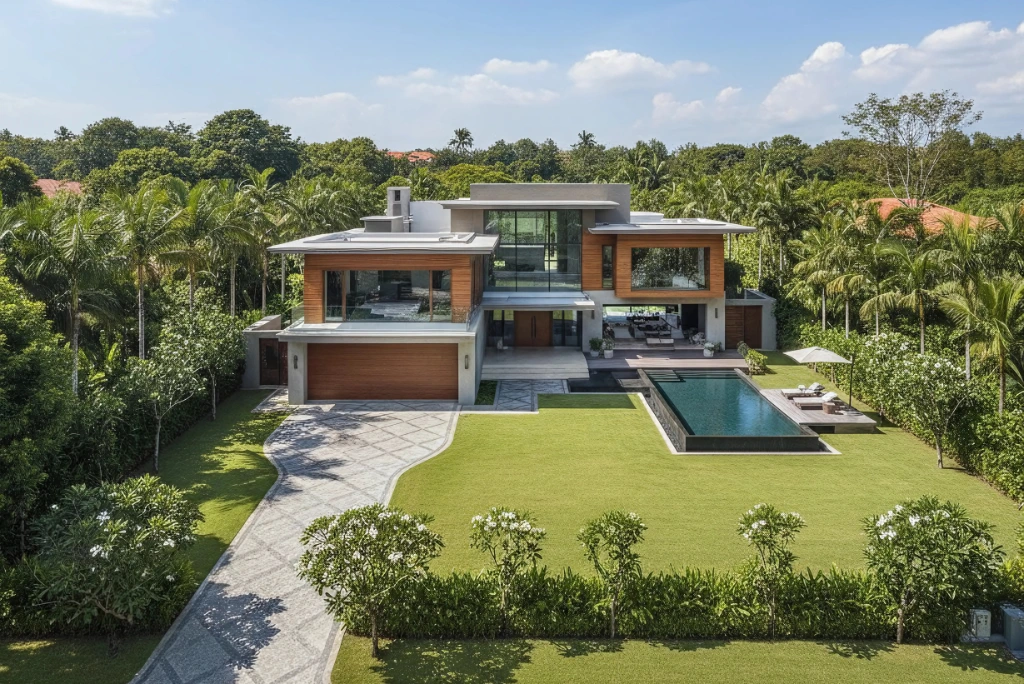
Renting and buying property in Singapore each has its own advantages and disadvantages. Renting allows flexibility and lower upfront costs, whereas buying allows for long-term stability and possible appreciation of real estate values. The best approach will vary for each renter/buyer based on their personal situations, how much they wish to invest, their overall financial plans and how long they intend to live in Singapore.