|
Getting your Trinity Audio player ready...
|
When assessing a future-proof property investment in today’s sophisticated market, high-net-worth buyers and savvy investors have fundamentally shifted their priorities. For decades, the defining characteristics of luxury real estate in Singapore were measured by prime postal codes, cavernous square footage, and ostentatious finishes. However, as we navigate the realities of 2026, the true mark of modern luxury has pivoted toward environmental performance, climatic resilience, and long-term asset efficiency.
Finding a Green Mark Platinum luxury condo Singapore is no longer merely a lifestyle choice for the eco-conscious; it has evolved into a highly calculated, data-driven financial strategy designed to protect and compound your wealth. In an era marked by rising energy costs, stringent government regulations, and a global demographic of buyers who demand wellness-centric living, sustainability is the new status symbol.
This comprehensive guide explores the hidden return on investment (ROI) behind Singapore’s most sustainable homes. We will dissect the technical brilliance of the Super Low Energy (SLE) standard, analyze its measurable impact on capital appreciation and rental yields in District 16, and reveal how pioneering developments like Vela Bay are setting the gold standard for the future of luxury real estate.
Beyond the Badge: Understanding the “Super Low Energy” Benchmark
To truly grasp the value of sustainable luxury, one must first understand the rigorous framework governing it. The Building and Construction Authority (BCA) Green Mark scheme has served as Singapore’s primary benchmark for environmental sustainability in the built environment since 2005. It was introduced to encourage developers to build and maintain greener buildings, evolving continuously to keep pace with technological advancements and global best practices.
However, the Green Mark Platinum Super Low Energy (SLE) classification represents an entirely different echelon of architectural and engineering excellence. It is the absolute pinnacle of the BCA’s rating system. To achieve SLE status, a building must demonstrate a staggering energy savings of at least 60% compared to the 2005 building code baseline.
Attaining this rigorous standard requires exceptional architectural foresight that goes far beyond simply installing energy-efficient lightbulbs. It demands a holistic integration of advanced, climate-responsive facades, optimized natural cross-ventilation, intelligent building management systems, and high-performance cooling mechanisms. This uncompromising standard is the zenith of wellness real estate Singapore 2026, ensuring a pristine indoor environment, superior air quality, and absolute thermal comfort for its residents, regardless of the tropical heat outside.
The Direct Financial Dividends: Slashing Operational Costs
The Super Low Energy condo benefits extend far beyond reducing carbon footprints and fulfilling Environmental, Social, and Governance (ESG) mandates. For homeowners and landlords, this extreme level of energy and water efficiency translates directly into a tangible, month-on-month financial dividend: drastically lower utility and maintenance costs.
In a traditional luxury condominium, the sprawling amenities—from expansive clubhouses and massive lagoon pools to 24-hour air-conditioned gymnasiums and lobbies—require an immense amount of power to operate. These operational costs are inevitably passed down to homeowners through steep monthly maintenance share contributions.
By contrast, SLE-certified developments are masterfully engineered to minimize this financial burden. Market data reveals that buildings equipped with this top-tier certification can achieve average energy savings of nearly 59%, meaning the initial architectural investments pay dividends to the residents year after year. In fact, studies show that new commercial and high-performance buildings with the highest Green Mark SLE certification can effectively recover their initial sustainability investments in approximately 5 to 6 years, completely refuting the outdated notion that green building is merely an added expense. For the long-term homeowner, these recurring operational savings act as a powerful hedge against inflation and rising global energy tariffs.
Capital Appreciation and the “Green Premium”
While operational savings are highly attractive, the primary objective for any real estate investor is capital preservation and appreciation. Empirical data now overwhelmingly supports the existence of a “Green Premium” in the Singapore property market. Buyers are actively willing to pay more for homes that offer proven sustainability credentials.
A comprehensive study analyzing real estate transactions in Singapore found that green certification increases the price per square meter of a property by an average of 3.2%. Other market analyses have shown that this green premium for certified residential properties can command an initial 1.1% premium that has the potential to widen up to 6.3% over time. Furthermore, a 2016 BCA survey highlighted that over 70% of respondents agreed that green buildings offer superior resale value.
Looking ahead, the financial gap between sustainable and non-sustainable properties is only expected to widen. Real estate consultancy Cushman & Wakefield projects that the rental premium for top-tier Green Mark Platinum buildings could expand to 20% by 2030 as a growing wave of corporate tenants and high-net-worth expatriates commit strictly to net-zero carbon living. By acquiring a Green Mark Platinum SLE asset today, investors are securing a property that will remain highly liquid and fiercely sought after in the resale market of tomorrow.
Rental Yields and Tenant Demand: The District 16 Advantage
For yield-focused investors, understanding the rental dynamics of the specific locale is crucial. District 16, which encompasses the East Coast, Bedok, and the emerging Bayshore precinct, has consistently proven to be a highly resilient rental market. Data from premium freehold developments in the Upper East Coast corridor indicates healthy gross rental yields ranging from 2.0% to 3.2%.
However, the true catalyst supercharging rental demand in District 16 is the “MRT Effect” driven by the Thomson-East Coast Line (TEL). The recent activation of TEL Stage 4 has revolutionized connectivity in the East Coast, halving commute times to major financial hubs like Shenton Way from 40 minutes to a mere 20 minutes.
The impact on property valuations and tenant desirability has been immediate and profound. Condominiums situated within a 0.8-kilometer radius of the new TEL stations saw their median asking prices surge by 6.8% year-on-year. Furthermore, the rental market in these newly connected enclaves has exploded. For instance, in nearby TEL-connected neighborhoods, rental listings and tenant viewing inquiries surged by nearly 90%, illustrating a massive influx of expatriates and young professionals migrating toward the East Coast lifestyle.
When you combine this localized infrastructural boom with the inherent desirability of an SLE-certified building—which tenants increasingly prefer due to lower utility bills and healthier living environments—the result is an incredibly potent investment asset that promises minimized vacancy periods and optimized rental income.
Future-Proofing Against Regulatory Risks: The MEI Regime
Perhaps the most urgent reason to invest in an SLE-certified condominium is risk mitigation. Regulatory shifts are fundamentally reshaping property valuations, and the government is actively penalizing energy inefficiency.
Starting in Q3 2025, Singapore introduced the Mandatory Energy Improvement (MEI) regime. This stringent legislation specifically targets energy-intensive buildings with a Gross Floor Area (GFA) of 5,000 square meters or more, mandating strict energy audits. Owners of buildings that fail to meet baseline energy efficiency standards will be legally required to implement costly improvement measures and retrofits. Non-compliance with the MEI regime attracts severe financial penalties, with fines ranging from $10,000 to $150,000.
For buyers of older, less efficient resale condominiums, this poses a very real risk. As these aging buildings fall afoul of new regulations, the Management Corporation Strata Title (MCST) will be forced to issue sudden, massive capital calls to the subsidiary proprietors (the homeowners) to fund mandatory green retrofitting.
Purchasing a state-of-the-art property like Vela Bay, which already operates at the absolute zenith of energy efficiency, eliminates this regulatory anxiety. The SLE certification acts as the ultimate protective moat, shielding owners from future capital calls and solidifying the purchase as a truly future-proof property investment. As industry leaders note, the market is rapidly moving away from merely chasing a “green premium” toward actively avoiding a “brown discount”—where obsolete, energy-draining buildings suffer severe depreciation.
The Health and Wellness Dividends of Biophilic Architecture
The advantages of living in a Green Mark Platinum SLE development are not purely economic; they represent a profound upgrade to the occupant’s daily quality of life. In our hyper-urbanized environment, indoor environmental quality (IEQ) has become a paramount concern for luxury homebuyers.
Conventional buildings with poor ventilation and toxic building materials frequently suffer from Sick Building Syndrome (SBS), leading to headaches, fatigue, and respiratory irritation among occupants. Sustainable buildings actively combat this. Research conducted jointly by the BCA and the National University of Singapore proves that Green Mark-certified buildings maintain superior indoor environmental conditions, boasting lower concentrations of volatile organic compounds (VOCs) and airborne pollutants. In fact, high-performance green buildings can reduce the symptoms of Sick Building Syndrome by an impressive 70% to 85%.
Furthermore, these developments embrace biophilic design—the architectural integration of nature into the built environment. By maximizing natural light, utilizing non-toxic finishes, and weaving lush greenery throughout the communal spaces, sustainable luxury homes actively lower stress levels, enhance mental clarity, and elevate the overall mood of the residents.
Unlocking the Green Financing Advantage
Yet another hidden ROI of purchasing an SLE-certified home lies in the realm of real estate financing. To support the nation’s transition toward a low-carbon built environment, major financial institutions in Singapore are aggressively promoting “Green Mortgages.”
Banks such as DBS, UOB, Maybank, and Standard Chartered offer highly attractive Green Home Loan packages specifically reserved for buyers of BCA Green Mark-certified properties. These specialized financing solutions often feature preferential, lower interest rates compared to standard home loans, or offer lucrative cash rebates upon refinancing.
For example, certain green loan packages offer highly competitive SORA-pegged rates, alongside flexible perks like free conversion options to pre-determined packages before the Temporary Occupation Permit (TOP) is issued. Over the lifespan of a 25- or 30-year mortgage, securing a marginally lower interest rate translates to tens of thousands of dollars in absolute interest savings, drastically improving the overall profitability of your property investment.
Vela Bay: The Pinnacle of Sustainable Coastal Luxury
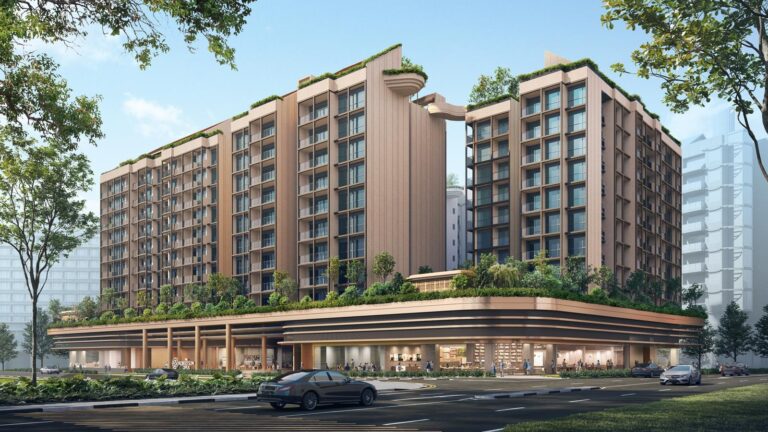
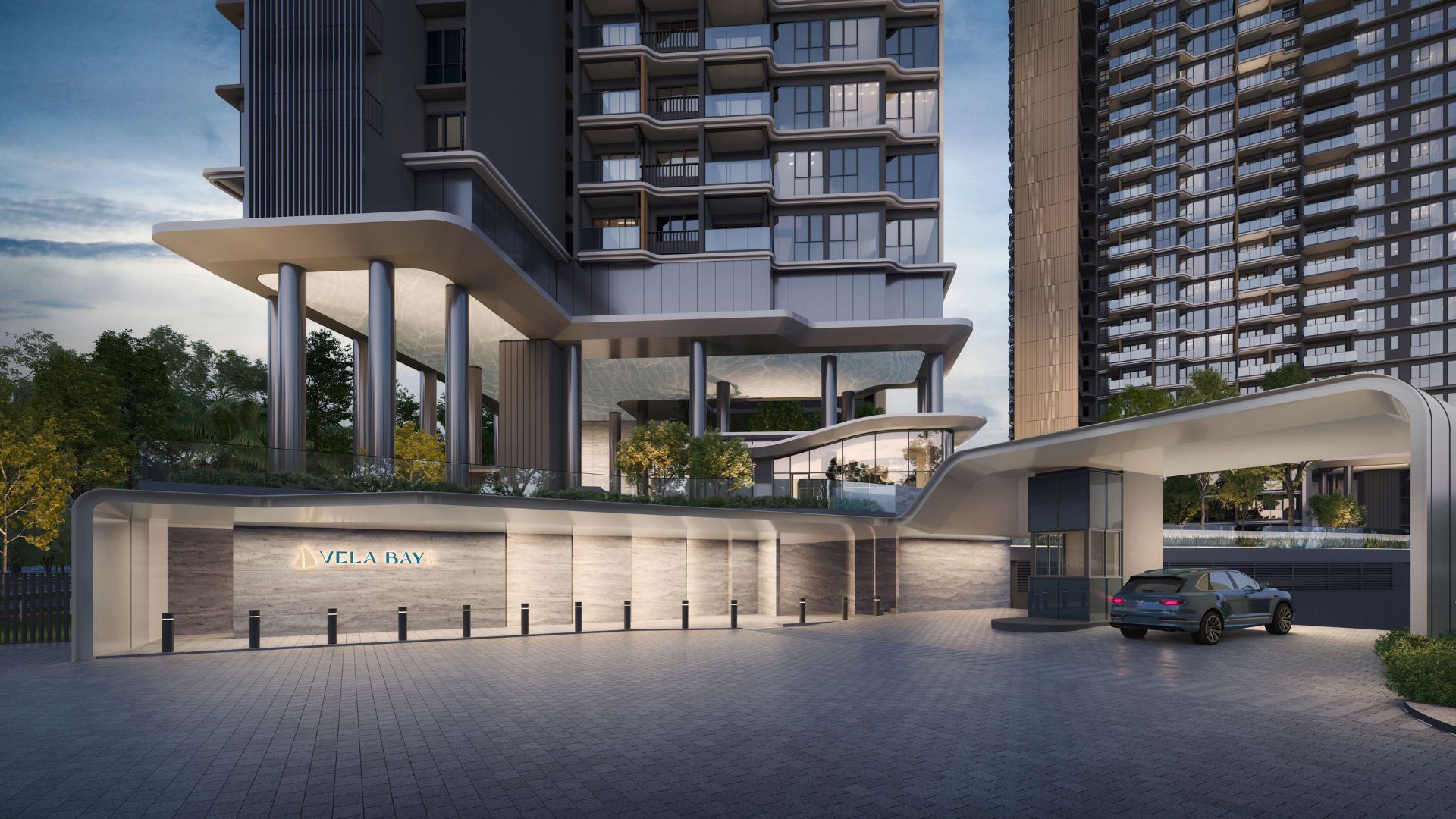
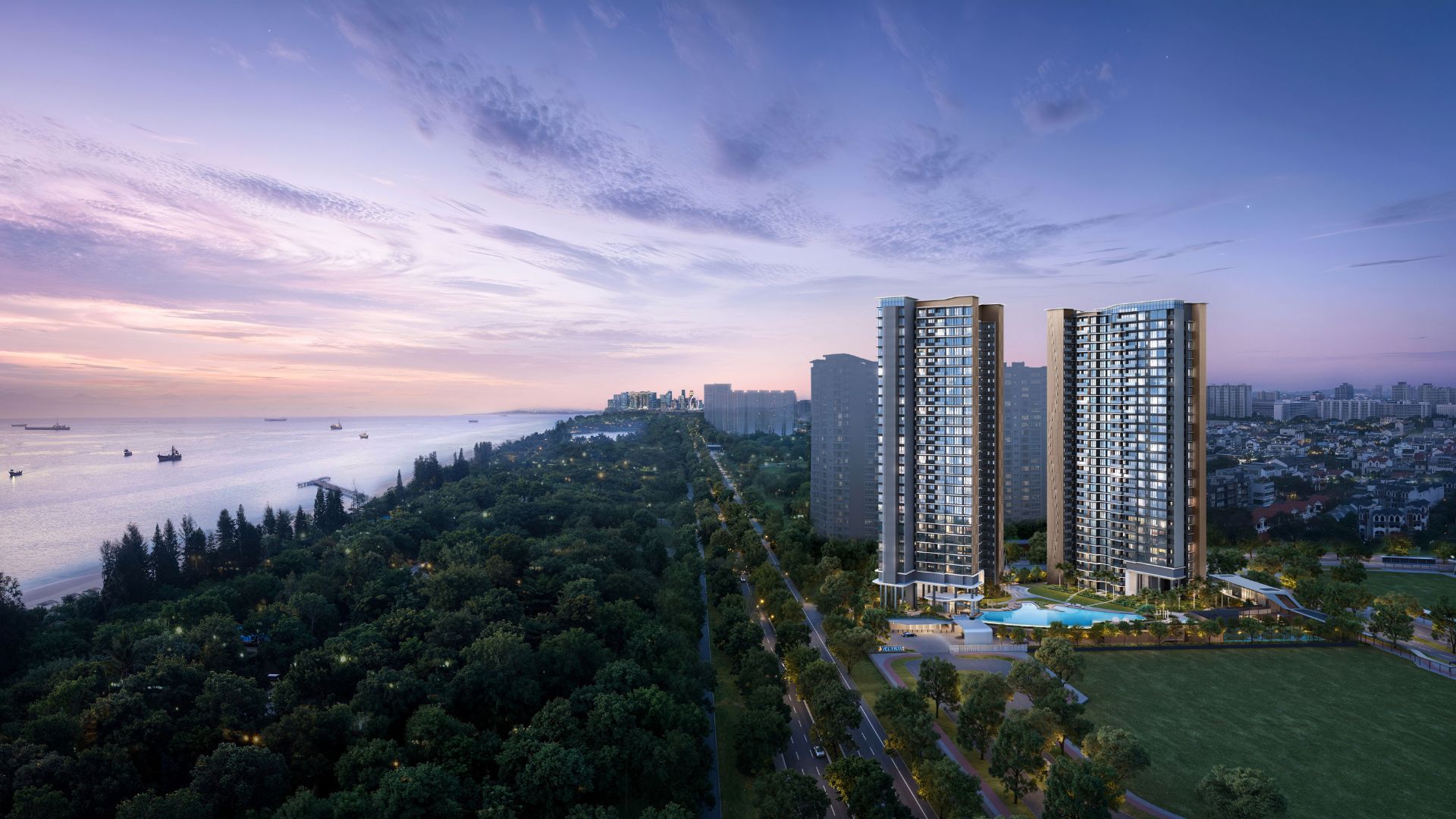
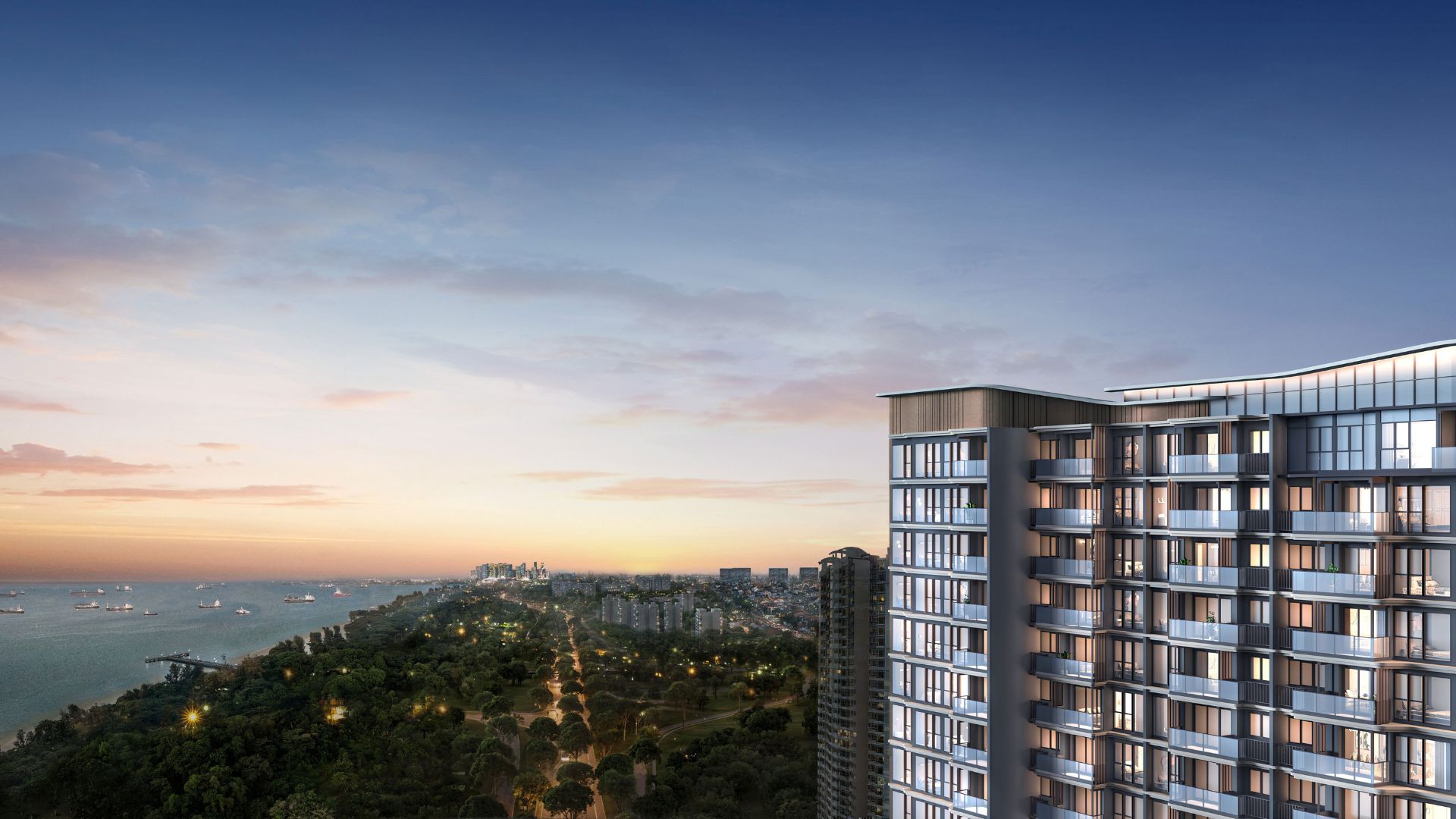
Pioneering this sustainable frontier in the highly coveted District 16 is Vela Bay. As the inaugural private residential launch in the visionary 60-hectare Bayshore precinct, Vela Bay is an architectural masterpiece developed by the prestigious SingHaiyi Group.
Vela Bay doesn’t just meet the baseline for eco-friendly living; it shatters it. The 515-unit, 99-year leasehold development has been officially awarded the Green Mark Platinum Super Low Energy certification. But the developers went a step further, earning highly specialized additional badges for Whole Life Carbon and Maintainability.
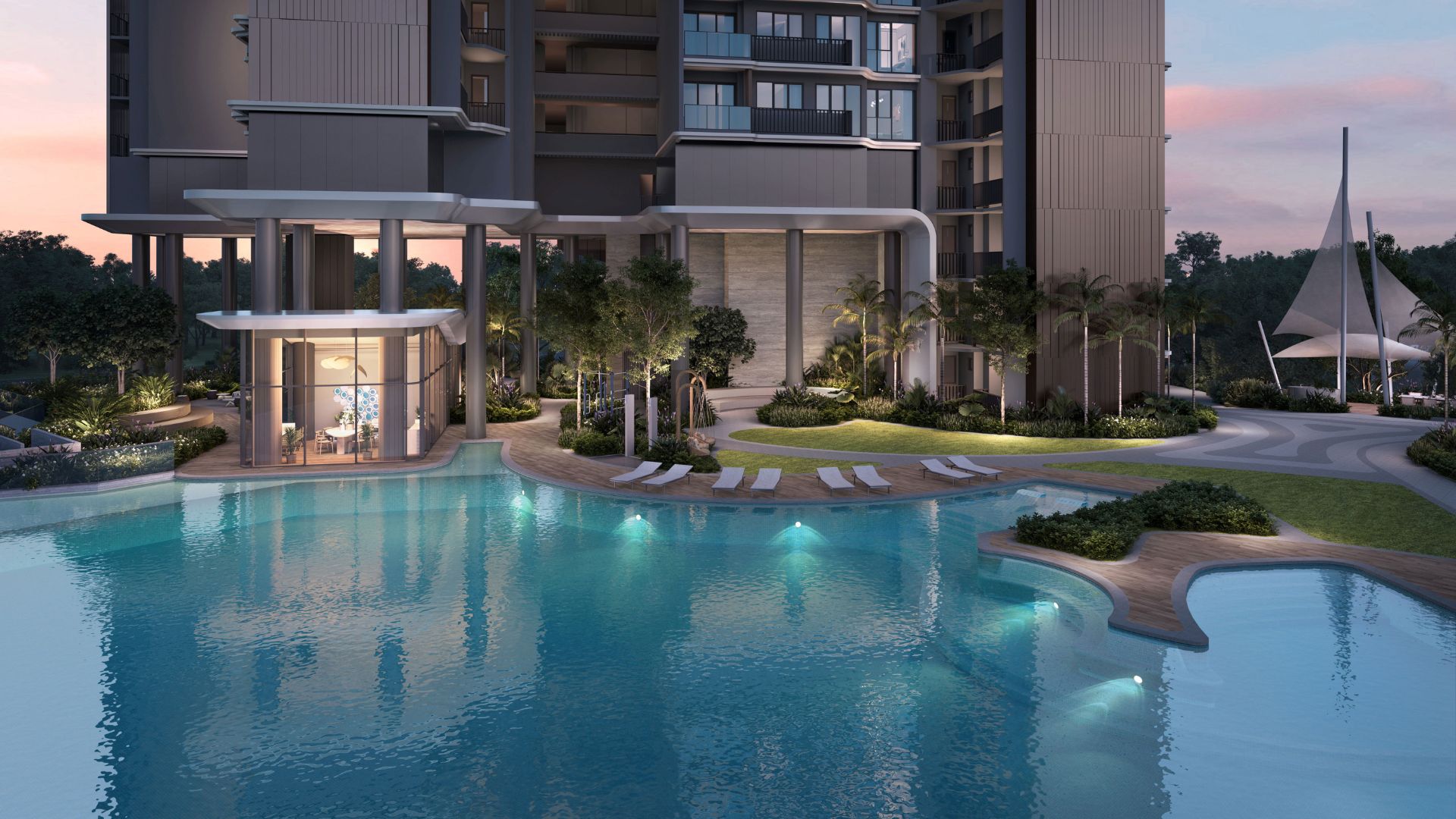
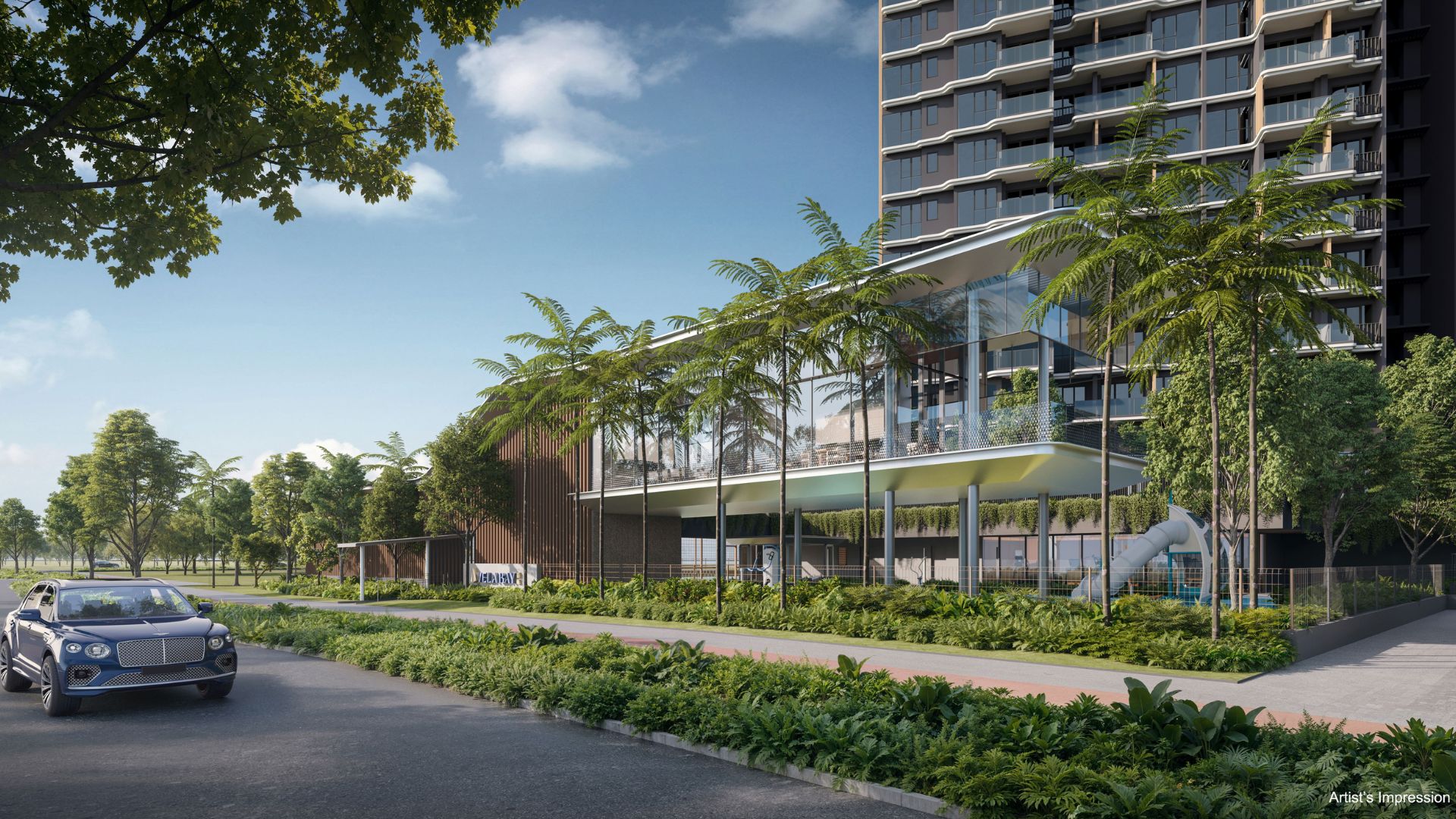
The Maintainability badge is particularly crucial for investors, as it signifies that the building’s architecture incorporates design choices that make long-term upkeep safer, easier, and vastly more cost-effective. This ensures that Vela Bay’s sprawling, yacht-inspired amenities—from the expansive Vela Pool and Coral Terraces to the subterranean Vela Club gymnasium—will remain pristine without causing maintenance fees to skyrocket over the decades.
The project’s commitment to a sustainable, modern lifestyle is evident in its cutting-edge infrastructure. Vela Bay is designed as a car-lite precinct, featuring 129 dedicated bicycle lots and 258 carpark lots equipped with 4 EV charging stations. Furthermore, the integration of a Pneumatic Waste Collection System (PWCS) ensures a highly hygienic, odor-free, and labor-efficient waste management process across the estate.
All of these high-performance features are perfectly married to the development’s breathtaking aesthetics, where 72% of the units offer unobstructed, panoramic sea views starting from the 11th storey.
Secure Your First-Mover Price Advantage
The financial logic behind acquiring a sustainable, transit-integrated asset like Vela Bay is undeniable. But as with all exceptional real estate opportunities, timing is the ultimate differentiator.
The exclusive preview for Vela Bay runs strictly from April 11 to April 21, 2026. The developer has positioned the launch with highly aggressive, first-mover pricing that offers immense upside potential for early buyers. Based on the official indicative price matrix, entry into this sustainable masterpiece is incredibly accessible:
- 1-Bedroom + Study (484 sqft): Starting from $1.2xx M (from $2,500 psf)
- 2-Bedroom (592 sqft): Starting from $1.4xx M (from $2,500 psf)
- 3-Bedroom (883 sqft): Starting from $2.2xx M (from $2,500 psf)
- 4-Bedroom (1173 sqft): Starting from $3.1xx M (from $2,650 psf)
- 5-Bedroom + Private Lift (1582 sqft): Starting from $4.5xx M (from $2,850 psf)
In a market where the cost of construction and prime land continues to climb, securing a Green Mark Platinum SLE asset with guaranteed sea views at an entry price of $2,500 psf represents an extraordinary value proposition.
Sustainability is no longer a niche trend; it is the definitive future of Singapore luxury real estate. By investing in Vela Bay, you are not just securing a beautiful waterfront home; you are acquiring a resilient, high-yield, and risk-mitigated asset that will perform brilliantly for generations to come. Do not miss the opportunity to position yourself at the forefront of District 16’s sustainable revolution.