|
Getting your Trinity Audio player ready...
|
The Architectural Expression of Aesthetic Vs. Intentional Design
Luxury homes are no longer simply about great architecture or appearance; they are now also about intentional, practical, beautiful and achievable architectural designs that come together to create a cohesive whole (i.e., both aesthetic and functional).
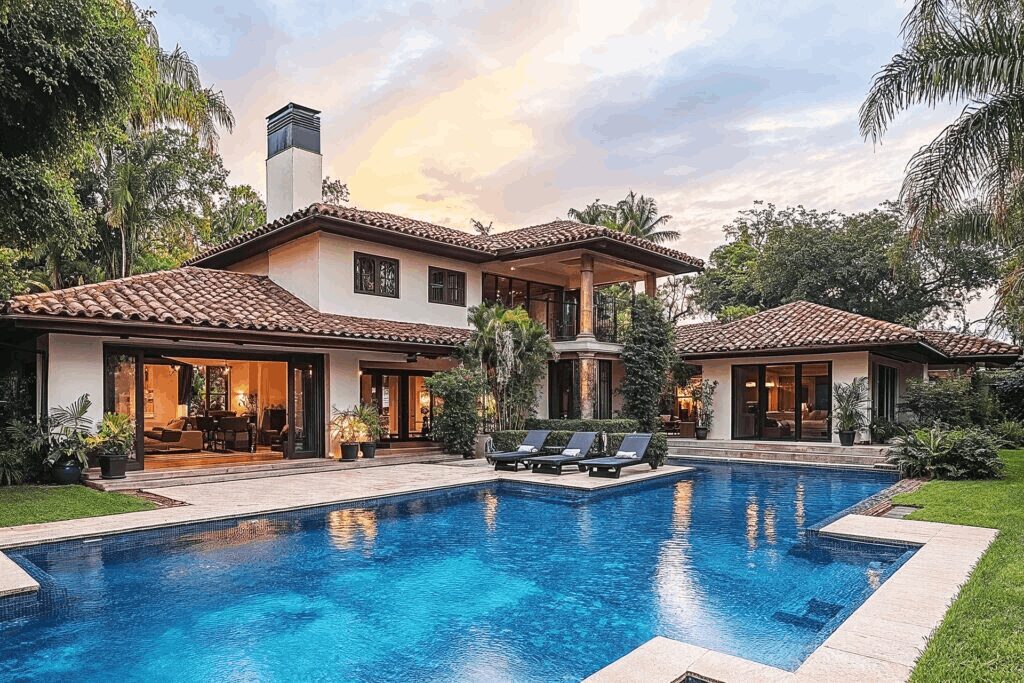
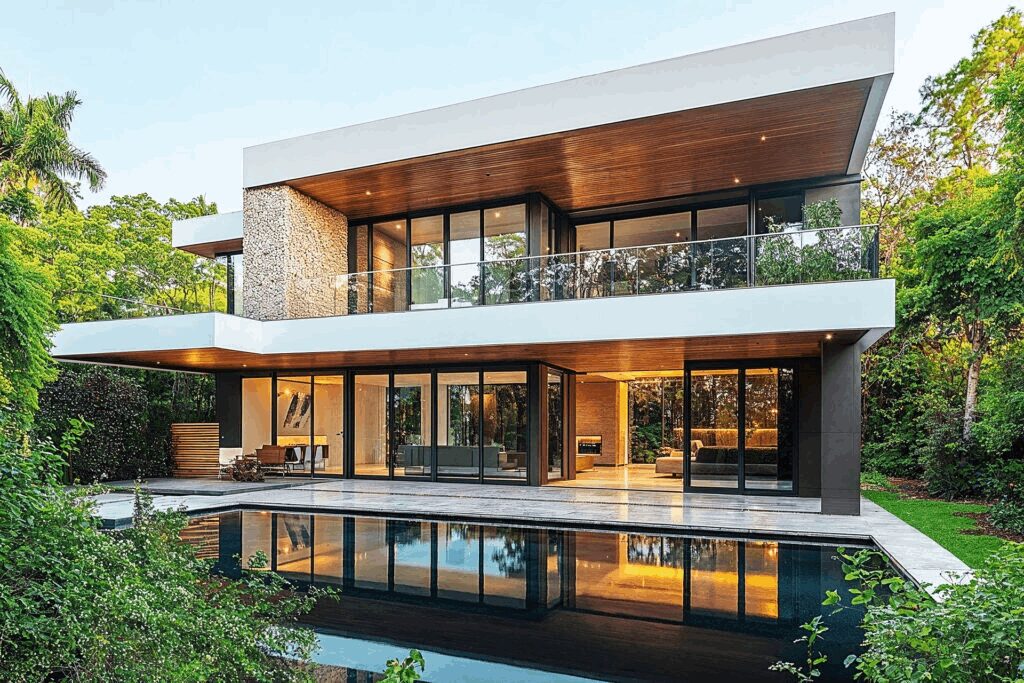
An example of this is the incorporation of light, spatial flow and emotional appeal into the architectural design of buildings.
Biophilic architecture, which incorporates natural components such as plants, water features and organic building materials, has become a defining characteristic of luxury real estate lifestyle. Homes designed with biophilic principles are intended to foster a sense of relaxation, peace and well-being.
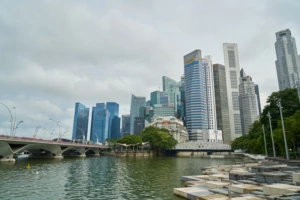
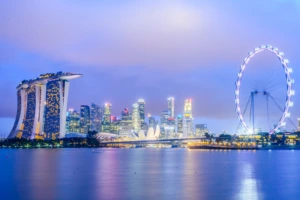
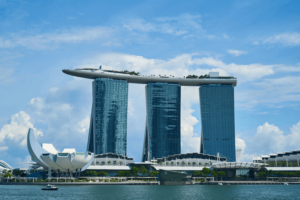
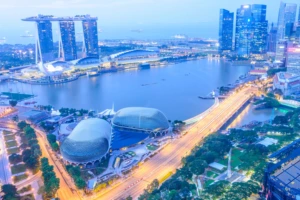
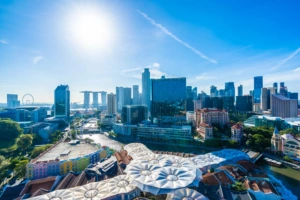
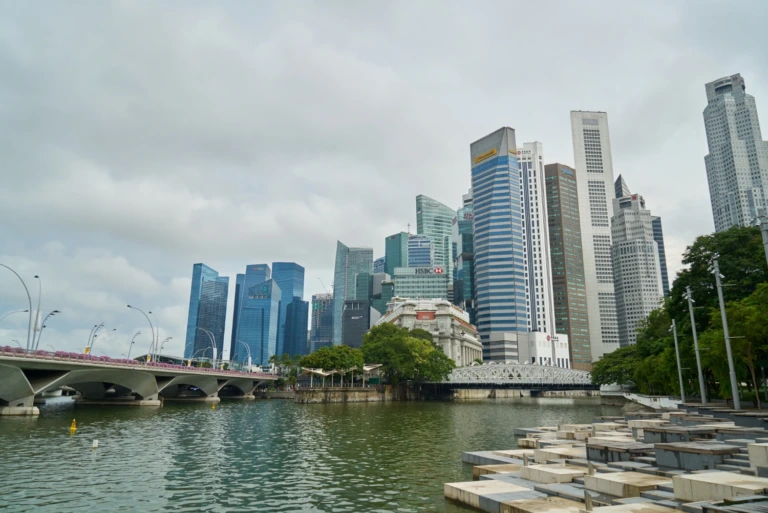
For example, in Singapore, luxury property is defined by:
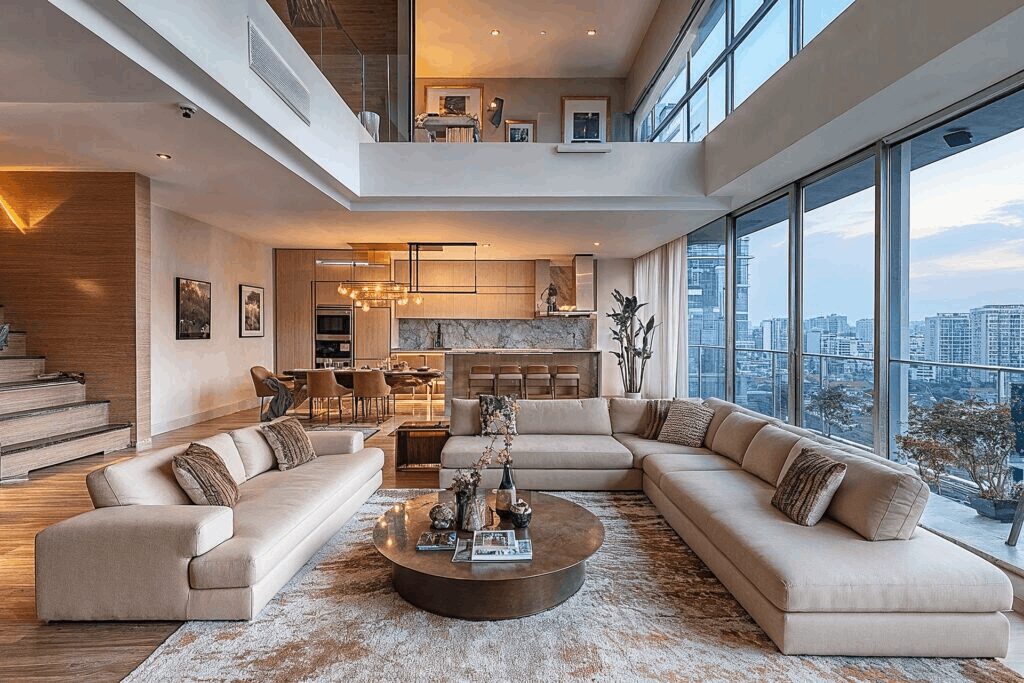
- Floor-to-ceiling windows with unobstructed views
- Seamless indoor/outdoor living environment
- Environmentally sustainable building materials, systems and processes (e.g., LEED certification).
Today’s global luxury property market defines luxury design as being about creating experiences rather than simply providing people with physical things.
Privacy as the Most Valuable Component Of Luxury Real Estate
As we become more connected, privacy has become an essential features of modern luxury homes. Wealthy individuals (prospective purchasers of luxury properties) are now valuing:
- Low-density developments
- Private access points (e.g., elevators or elevators) and/or entrances to buildings
- Gated communities and smart security systems
This shift reflects a broader global trend where exclusivity and personal space are seen as essential components of luxury living.
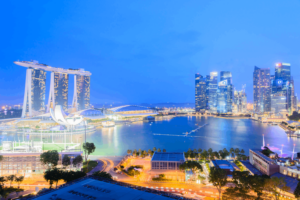
In cities like Singapore, where space is limited, developers are innovating with boutique residences and exclusive enclaves that offer both centrality and seclusion.
The Exploding Phase: Branded residences
A powerful and influential factor impacting luxury lifestyle real estate is the explosion of branded residences.
Branded residences are residential properties that have been creatively developed using the resources of renowned global brands. For example, hotel chains, fashion houses and luxury vehicle makers. Branded residences feature the following luxury real estate lifestyle:
- Hotel-style services (concierge, housekeeping, private chefs)
- Premium design standards
- Global brand trust and prestige
Branded residences have attracted massive amounts of attention on a global basis and are especially popular in Dubai, where the demand for lifestyle-driven residential options has resulted in rapid growth.
What makes buyers obsessed with branded residences?
The fact that they not only provide a residence but also create an environment of curated lifestyle experiences through branded interiors and branded memberships, therefore blurring the lines between residential and luxury hotel accommodations.
For investors, branded residences deliver higher rental yields and long-term value, hence representing an important investment class in the international real estate market.
Wellness : Is No Longer Optional
Perhaps the biggest shift in luxury living is the rise of wellness homes.
Since COVID-19, people’s health has played a key role in their decision-making process when choosing where to call home. Luxury residences are now being built and designed with a focus primarily on creating a personalised refuge for both your emotional and physical health.
Examples of typical wellness features include:
- Advanced technology-based purifying systems for air & water
- Dedicated room or room for meditation/yoga
- Private spa, sauna and fitness area Access to wellness programs and clinics
In fact, wellness is now embedded into the core of luxury developments, not just added as an amenity.
Singapore’s luxury real estate property market is increasingly adopting this trend, with properties designed to support holistic living—mind, body and environment.
Personalization & Intelligent Living
Technology has changed the convenience of luxury homes. Luxury homes today include the following:
- Home automation using AI
- Biometric security systems
- Intelligent climate control and lighting systems
These features enhance comfort while allowing for seamless personalisation of the living environment based on the user’s personal preferences.
Luxury is no longer static; it is dynamic.
Luxury and Sustainability
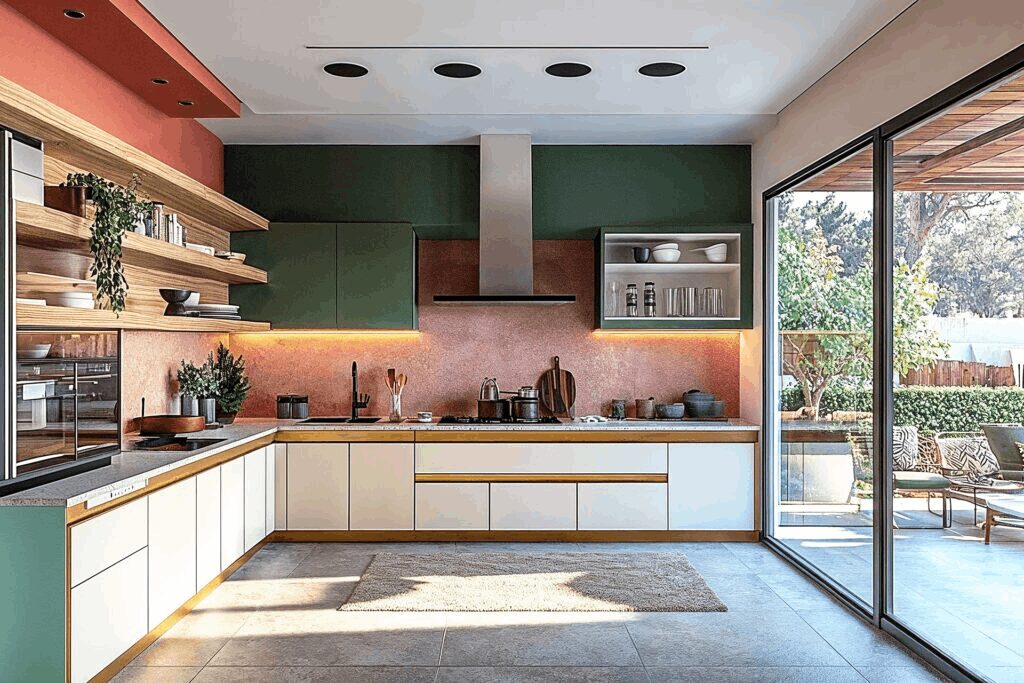
Ecologically-conscious living is becoming one of the cornerstones of modern luxury.
Purchasers of luxury homes are becoming more focused on finding homes that provide:
- Green building certifications
- Solar power systems
- Sustainable building materials
Modern luxury living is therefore about social responsibility as much as it is about indulgence. Eco-friendly luxury homes minimize their carbon footprint and support environmentally-conscious values held by next-generation home buyers.
Why it is Important to Buyers and Investors
There is a shift occurring around the globe where the definition of luxury is moving away from strictly ownership towards experience-driven living.
For buyers
- Higher quality lifestyle
- Long-term physical and emotional wellness
For investors
- Higher asset value, with increased global appeal
- Premium tenants, with increased resale demand
Leading the charge in the new definition of luxury are cities like Singapore and Dubai, which are establishing new standards for what luxury living is all about.
Conclusion
Luxury living today is not about how much space you have—it’s about how that space serves you.
From wellness-driven design to branded experiences and ultimate privacy, modern luxury homes are crafted around one idea: living better, not just living bigger.
As the global demand for luxury lifestyle real estate continues to rise, one thing is clear— the future of luxury lies in personalisation, well-being, and meaningful experiences.